
Hip and lower back pain can slowly erode your comfort, focus, and mobility if left unchecked. This article explores practical ways to ease discomfort through posture habits, movement, and hands-on care, as discussed at a professional wellness center. Each section focuses on realistic adjustments that fit into daily life and support steadier movement over time rather than quick fixes.
Posture directly affects how much stress the hips and lower back absorb throughout the day. When the spine, pelvis, and hips stay aligned, the body distributes weight more evenly, reducing pressure on joints and muscles. Slouching or leaning forward shifts the load to areas not designed to handle it, which can lead to soreness. Sitting upright with relaxed shoulders and keeping the head aligned over the torso supports balance. While standing, evenly distributing weight through both feet and keeping the knees soft helps maintain stability. Small posture changes practiced consistently can reduce daily strain and support better comfort.
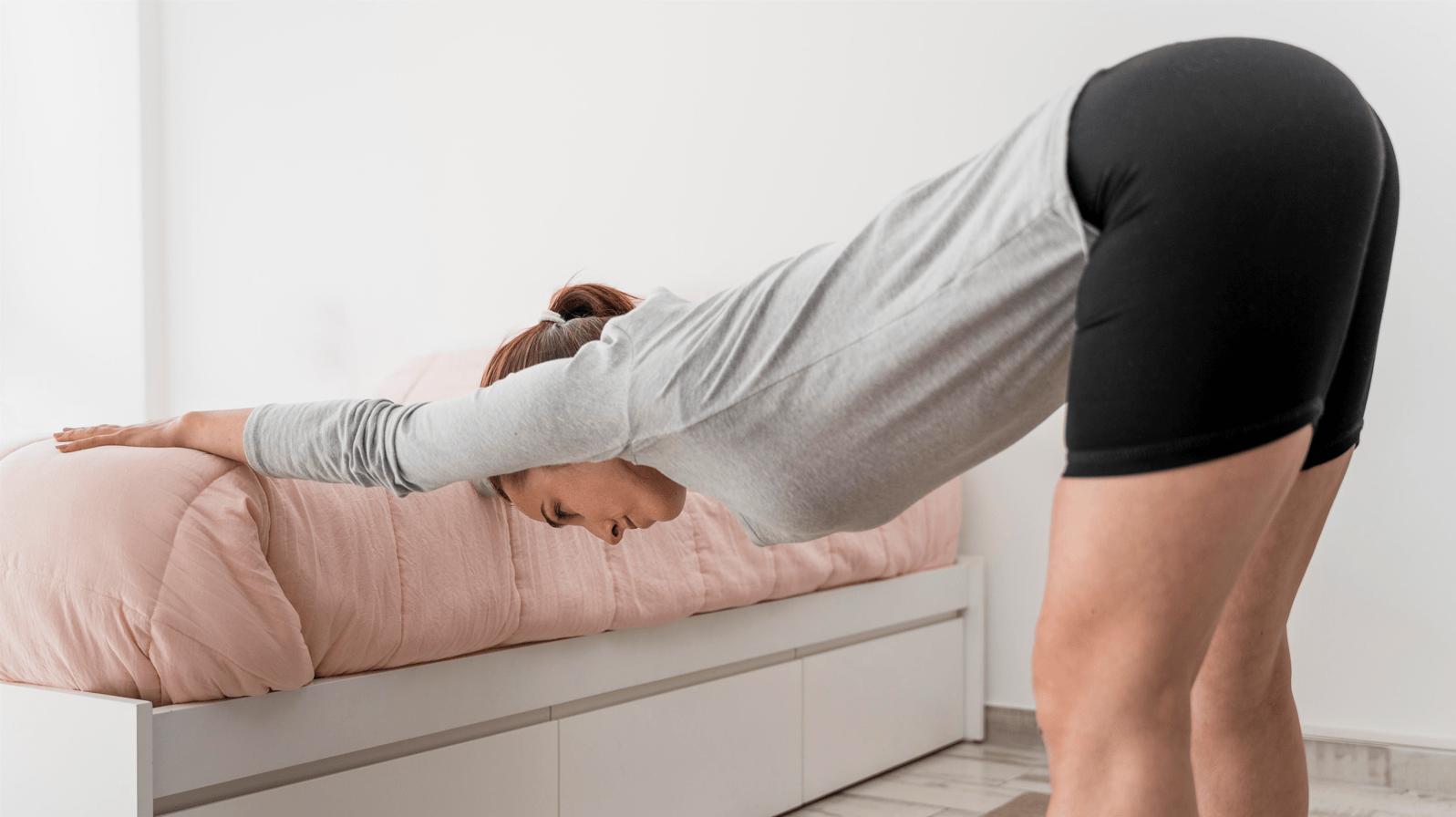
Stiff hips and a sore lower back can turn everyday movements into a challenge. Gentle stretching helps take the edge off by easing muscles out of their tight, held positions. The hip flexors, hamstrings, and lower back usually respond well to slow movements paired with relaxed breathing. Brief stretching done consistently often has more impact than occasional, longer routines. With time, this can make movement feel smoother and more comfortable.
Muscles in the midsection, lower back, and pelvic area play a steady role in supporting the body during daily tasks. When well-conditioned, they help keep the spine stable and reduce stress on the hips and lower back. If these muscles lack strength, surrounding areas often compensate, which can result in discomfort. Gradual strength work done with control improves balance and coordination. Keeping up with a regular routine helps the spine stay supported throughout the day.
Heat and cold can be helpful tools for easing discomfort at home. Warmth helps relax muscles that feel tight or overworked and encourages healthy blood flow. Cold applications help calm sore areas and manage swelling, especially after physical effort. Switching between heat and cold allows each method to support recovery in a different way. Used carefully, this approach can make ongoing discomfort easier to manage.
When hip or lower back pain does not ease with rest or basic care, massage or acupuncture may be worth considering. Massage relies on hands-on pressure to work through tight muscles and relieve built-up tension. Acupuncture takes a more targeted approach, using specific points that some people find helpful for calming pain. These treatments are usually chosen after simpler methods have not brought enough relief. Seeking care from properly trained professionals helps ensure the approach fits the person and the problem.
Long-lasting hip and lower back pain often improves with professional assessment. Physiotherapists, chiropractors, and orthopedic specialists look at how the body moves and where strain may be coming from. Their recommendations aim to reduce discomfort while lowering the chance of future issues. Early attention can help prevent pain from becoming more disruptive. Professional guidance offers a clear path toward better comfort and mobility.
Related Topics:


0
Leave A Comment